
Can You Bring Medicine on a Cruise?
Essential Tips for Smooth Sailing
Cruises are one of the easiest ways to travel, but if you take daily medications, pack prescription injections, or manage a chronic condition, you may be wondering: Can you bring medicine on a cruise?
The good news: Yes, you can pack medications. But you must follow the right steps to ensure your medications stay secure, accessible, and compliant with both cruise line policies and international regulations – this may vary for many countries.
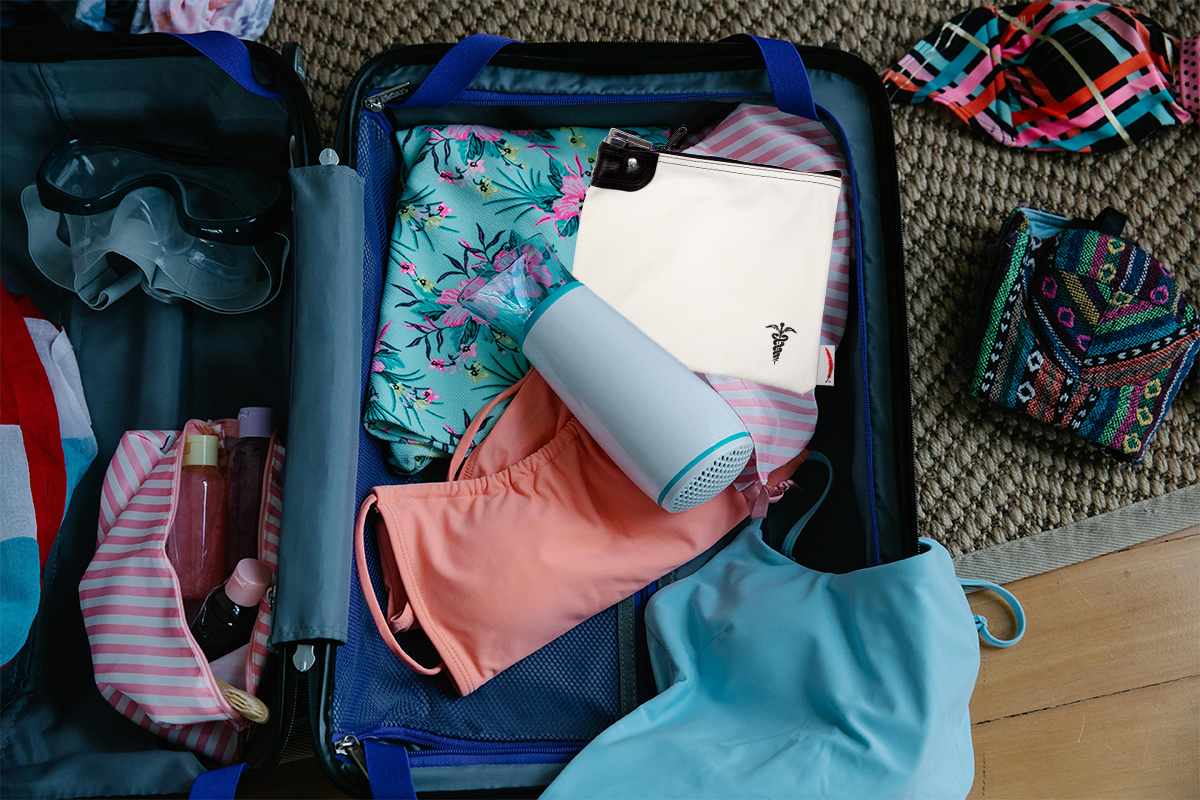
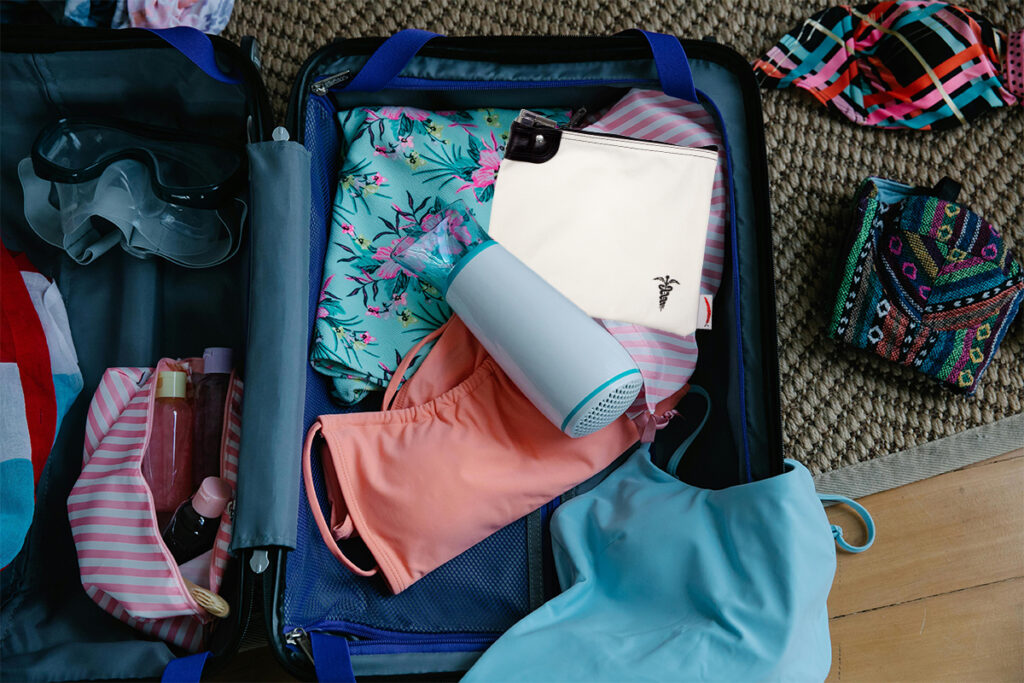
For many travellers, the safest way to manage medication on a cruise is to keep everything organised in a secure, lockable medication bag—such as the Prescription Medication Bag from Cardinal Bag Supplies, trusted by travellers, caregivers, and medical professionals nationwide.
Below is your complete guide, sharing helpful insights and information.
Pre-Cruise Preparation
Before stepping aboard, preparation is key—especially if you take prescription medication or controlled substances.
1. Check Your Cruise Line’s Medication Policy
Every cruise line—Royal Caribbean, Carnival, Norwegian, Disney, MSC—has its own guidelines.
Most allow:
- Prescription medications
- Over-the-counter medications
- Medical devices
- Medically necessary liquids
But they may have rules about:
- Controlled substances
- Quantities allowed
- How medications should be stored
- Documentation required
2. Consult Your Doctor Before You Sail
Ask your doctor for:
- A personalized list of your medications
- A fresh set of written prescriptions
- A summary of your medical conditions
- A letter describing any special requirements (e.g., injections, sharps, allergies)
This makes emergencies, refills, and customs checks much easier.
3. Check Medication Regulations for Destination Countries
Ports of call may fall under the laws of:
- Caribbean nations
- Mexico
- Canada
- Mediterranean or European countries
- Asian ports
Some countries have restrictions or bans on certain medications, especially:
- Narcotics
- Strong painkillers
- Anti-anxiety medications
- ADHD medications
Always check with:
- The embassy of each destination
- CDC travel health pages
4. Make Copies of Your Prescriptions
Bring:
- Paper copies
- Digital copies stored on your phone
- Copies stored with a travel companion
5. Call Your Cruise Line or Travel Agent
Ask specifically about:
- Storage requirements
- Refrigeration needs
- Sharps disposal
- Traveling with injections or syringes
Packing Essentials for Your Cruise
Smart packing helps avoid delays, customs issues, and onboard emergencies.
1. Keep Medications in Original Packaging
Cruise security and foreign ports prefer clearly labeled, pharmacy-issued packaging.
Avoid transferring prescription pills into unmarked containers unless using a pill organizer inside your larger medication bag.
2. Pack More Medication Than You Need
Always bring:
- Enough for your entire cruise
- Extra supply (3–7 days) for delays or itinerary changes
- Spare inhalers, EpiPens, or auto-injectors
3. Use a Travel Medication Organizer
Pill cases make daily dosing easier while your original packaging stays stored securely.
4. Carry a Doctor’s Note
This is especially important if you carry:
- Controlled substances
- Injectable medications
- Prescription syringes
- Medical devices
5. Carry Medication in Your Carry-On Bag
Never store essential medications in checked luggage—bags can be lost or delayed.
A lockable medication bag gives you:
- Privacy
- Security
- Organisation
- Quick access in an emergency
This is exactly why many travellers rely on Cardinal Bag Supplies’ Prescription Medication Bag—portable, discreet, and secure for cruise travel.
Managing Prescription Medication Onboard
Keeping medication accessible and safe on a cruise is essential.
1. Keep Daily Medications in Your Hand Luggage
You may need them during:
- Boarding
- Muster drills
- Delayed cabin access
- Shore excursions
2. Carry Copies of Prescriptions
Medical staff onboard may request them if you need emergency treatment or refills.
3. Bring Enough Medication + Extra
Cruise ships cannot refill most prescriptions unless they have a doctor onboard, and even then, availability is limited.
4. Use a Pill Organizer or Bag
Keeping everything neatly arranged helps avoid missed doses.
5. Confirm Cruise Line Rules for Controlled Substances
These require stricter documentation and may be checked at security.
Traveling with Medications During a Cruise
Cruises often visit multiple countries in a short time—each with its own medication laws.
1. Research Each Country’s Medication Rules
Some destinations restrict:
- Strong painkillers
- Anxiety medications
- ADHD stimulants
- Narcotic medications
2. Pack According to Each Destination’s Rules
This includes:
- Keeping medication in original containers
- Carrying prescriptions and doctor’s letters
- Storing medication securely
3. Bring More Than Enough
Cruise itineraries can change quickly due to weather or emergencies.
4. Check CDC and Embassy Resources
They provide updated details on:
- Entry restrictions
- Health risks
- Medication safety alerts
5. Carry Emergency Contact Numbers
Include:
- Your doctor
- Cruise line medical department
- Travel insurance provider
- A trusted family member
Staying Healthy Onboard
Cruise ships can expose passengers to motion sickness, changes in climate, and large groups—so plan ahead.
1. Pack Seasickness Medication
Options include:
- Dramamine
- Meclizine
- Scopolamine patches
- Ginger or natural remedies
2. Bring General Over-the-Counter Medication
Useful for:
- Headaches
- Heartburn
- Minor injuries
- Stomach upset
3. Stay Hydrated & Eat Well
This helps:
- Prevent dehydration
- Reduce nausea
- Support immune health
4. Prioritise Rest & Stress Management
A well-rested immune system reduces your risk of illness.
5. Practice Basic Hygiene
Cruise ships are enclosed environments.
Wash hands frequently and avoid close contact with sick passengers.
Special Considerations for Travellers With Medical Needs
1. Contact the Cruise Line Before Sailing
Notify them if you need:
- Refrigeration for medications
- Dietary accommodations
- Mobility assistance
- Storage for medical devices
2. Know the Onboard Medical Resources
Cruise ships typically have:
- A medical center
- Doctors and nurses
- Basic diagnostic equipment
But resources can be limited, especially during sea days.
3. Pack a Small Travel Medical Kit
Include:
- Band-aids
- Antiseptic wipes
- Pain relievers
- Antihistamines
- Sunscreen
- Hydration tablets
4. Consider Travel Insurance
Look for coverage that includes:
- Emergency treatment
- Evacuation
- Missed-port protection
5. Share Your Itinerary With Someone You Trust
This is important if:
- Your phone fails
- You miss a port
- You require emergency support
Final Thoughts: Bring Medicine on a Cruise—Safely and Confidently
Cruise lines understand that millions of passengers travel with medications every year, so bringing your medicine is absolutely allowed.
The key is staying organised, staying prepared, and staying secure.
That’s where Cardinal Bag Supplies can help.
Our lockable Prescription Medication Bag is:
- TSA-ready
- Cruise-friendly
- Private
- Lightweight
- Made in the USA
- Perfect for keeping medications secure at ports, onboard, and during shore excursions
Travel with confidence. Travel with security. Travel with peace of mind.
| Shop Lockable Medication Bags for Your Next Cruise
https://cardinalbagsupplies.com/product/prescription-medication-bag/