


What Is a Violation of HIPAA?
Understanding HIPAA Rules, Common Risks & How Secure Storage Prevents Breaches
The Health Insurance Portability and Accountability Act (HIPAA) is one of the most important federal laws in the health care system. Created to protect individually identifiable health information, HIPAA establishes national privacy practices, security standards, and patient rights that every healthcare organisation must follow.
For many healthcare providers, pharmacies, rehabilitation centers, and healthcare facilities, preventing HIPAA violations requires more than policies. It also requires physical safeguards that restrict access to medical records, prescriptions, and other patient information during daily operations.
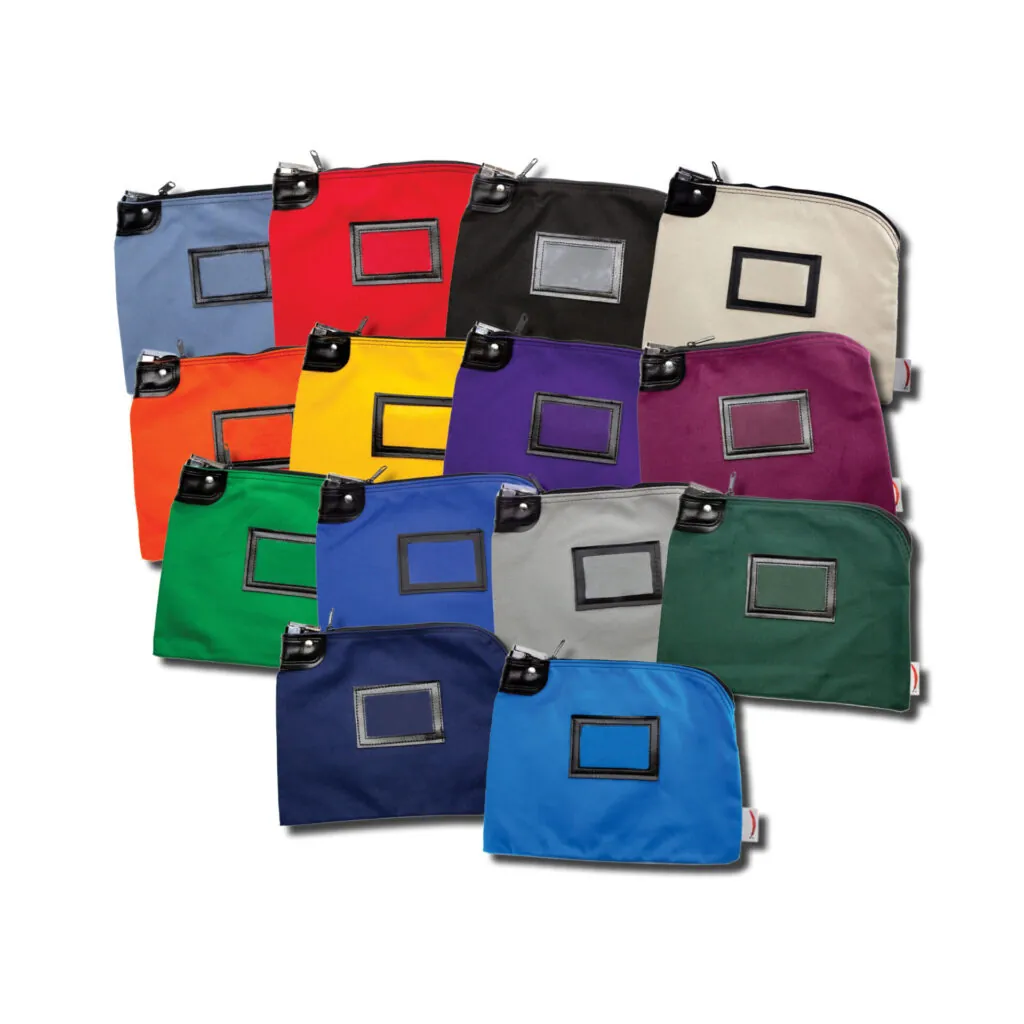
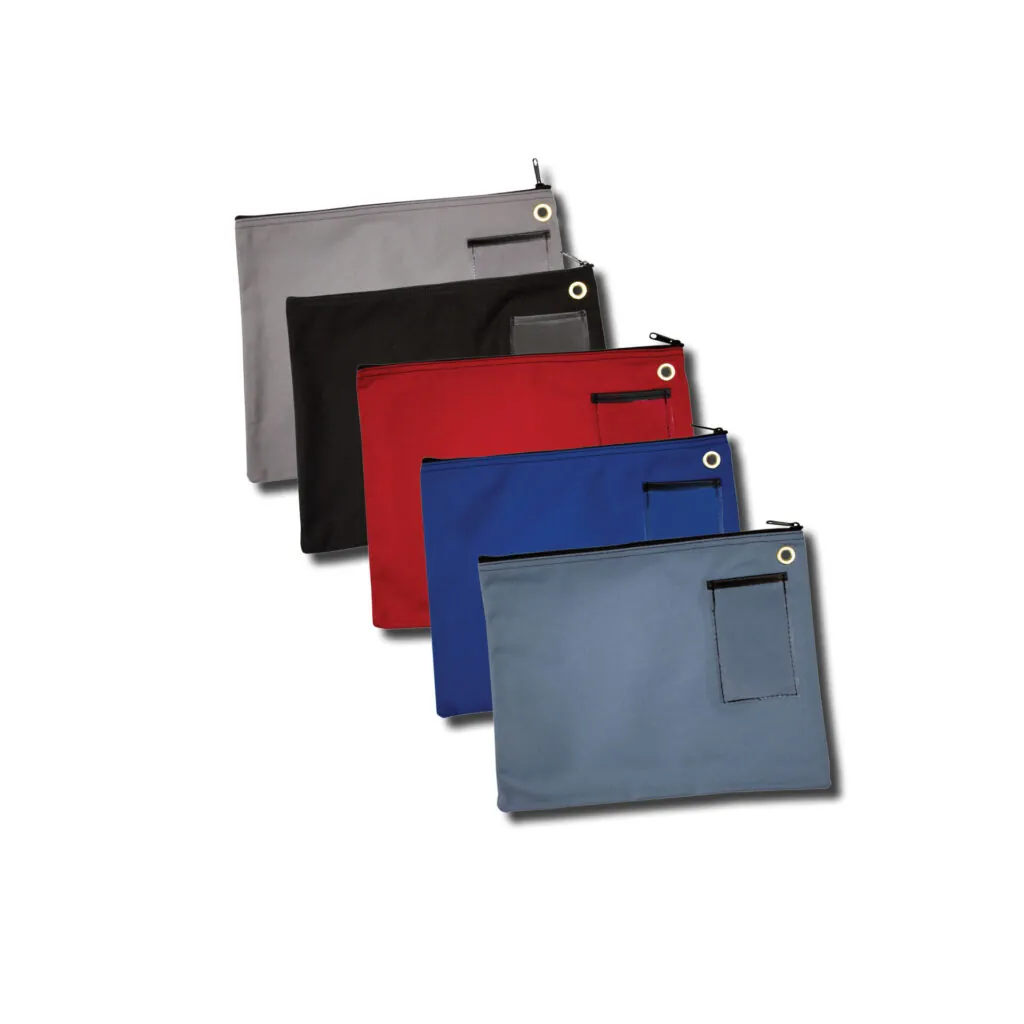
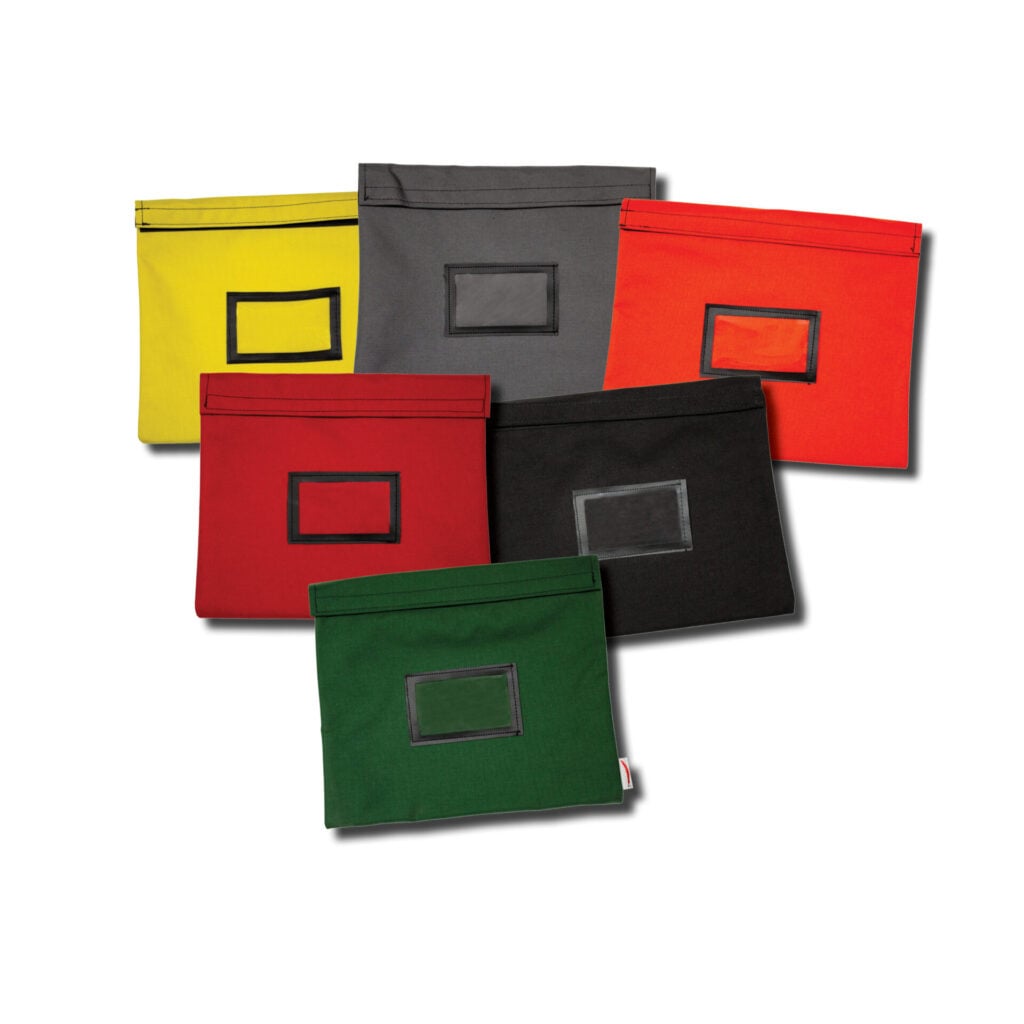
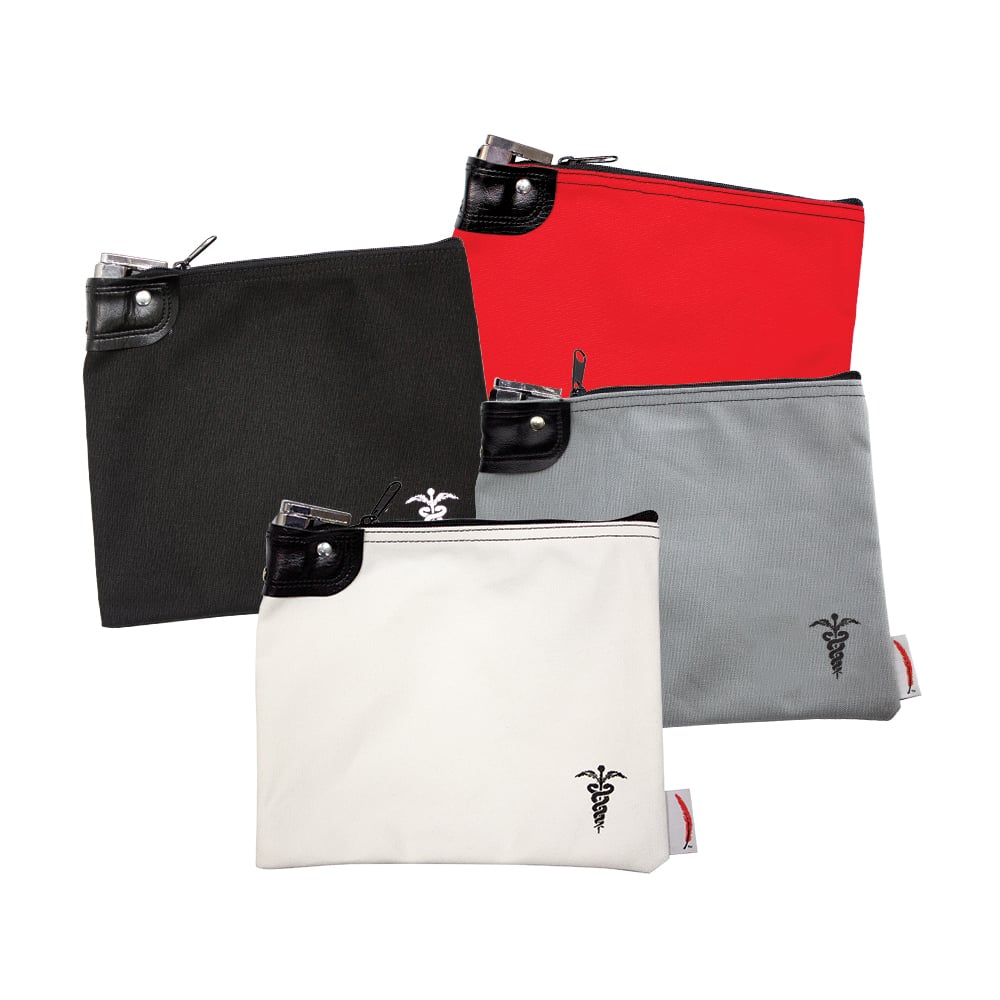
This is why organisations across the U.S. use Cardinal Bag Supplies’ lockable medication and document bags to reduce the risk of unauthorized disclosure and help maintain HIPAA compliant workflows.

Below, we break down what is a violation of HIPAA, how it occurs, who is responsible, and how proper storage solutions support compliance.
Understanding HIPAA & Why It Exists
HIPAA — often referred to as the Portability and Accountability Act or Insurance Portability and Accountability legislation — was enacted to:
- Improve health insurance portability
- Protect patient privacy
- Reduce healthcare fraud
- Strengthen accountability in the healthcare industry
The law is enforced by the Department of Health and Human Services (HHS) and administered through its Office for Civil Rights (OCR).
HIPAA applies to:
- Healthcare providers
- Health plans (including any group health plan)
- Healthcare clearinghouses
- Business associates of these entities
Collectively, these are known as HIPAA covered entities and covered entities must follow strict HIPAA rules that govern the handling of protected health information (PHI).
The HIPAA Privacy Rule: Protecting Patient Confidentiality
The HIPAA Privacy Rule establishes the national standards for how patient records, personal health records, and private health information can be used or shared.
It covers PHI in all forms:
- Electronic
- Paper records
- Oral communications
Under the privacy rule, covered entities must:
- Limit disclosures to only the minimum amount needed
- Restrict access to PHI
- Prevent medical records falling into the wrong hands
- Implement written policies
- Provide notice of privacy practices
- Ensure their covered entity’s workforce is trained
Cardinal Bag Supplies supports these efforts by offering secure, lockable bags that help prevent unauthorized disclosure during transport or storage.
What Is Protected Health Information?
Protected health information includes any detail that identifies an individual and relates to their:
- Medical condition
- Treatment
- Healthcare payment
- Demographic identifiers
Examples of patient information include:
- Medical records
- Billing and claims data
- Prescription details
- Treatment history
- Insurance information
PHI must be safeguarded whether it exists in electronic protected health information (ePHI) form or as physical paper records.
Permitted Uses & Disclosures of PHI
Under the HIPAA Privacy Rule, PHI may be shared:
1. Without special authorization
For:
- Treatment
- Payment
- Healthcare operations
2. With proper authorization
When a patient provides written consent for a specific purpose.
Regardless of the reason, healthcare professionals must ensure PHI is handled securely, transported discreetly, and protected from inappropriate viewing — a key reason why many organisations rely on secure medication and document bags from Cardinal.
Business Associate Agreements (BAAs)
Any third party handling PHI for a covered entity must sign a Business Associate Agreement.
A BAA requires:
- Adherence to HIPAA regulations
- Safeguarding PHI
- Breach reporting
- Cooperation with HIPAA investigations
Failure to have or follow a BAA may result in significant civil and criminal penalties.
What Is a Violation of HIPAA?
A HIPAA violation occurs when HIPAA covered entities, business associates, or their healthcare employees fail to comply with any provision of the HIPAA privacy rule, security rule, or breach notification rules.
Violations can be:
- Accidental
- Due to willful neglect
- Committed for personal gain, commercial advantage, or malicious harm
- Result of risk management failures or neglected regular risk assessments
Noncompliance can result in:
- Financial penalties
- Criminal penalties
- Mandatory corrective action plan
- Damage to organisational reputation
- Increased medical liability reform exposure
Common HIPAA Violation Examples
Typical examples of HIPAA violations include:
1. Unsecured PHI
A top cause of HIPAA breaches:
- Leaving charts or patient data visible
- Transporting PHI in unlocked containers
- Medications or PHI exposed in clinical areas
Cardinal’s lockable medication bags help eliminate this risk by securing PHI when transported inside and outside medical institutions.
2. Lost or Stolen Electronic Devices
Electronic devices containing PHI — when unencrypted — are a known point of failure.
3. Improper Disclosure
Sharing or viewing PHI without proper authorization.
4. Improper Disposal
Throwing documents into regular waste instead of shredding.
5. Snooping
Accessing information out of curiosity (a criminal violation if intentional).
6. Willful Neglect
Failure to act on identified risks or implement required safeguards.
HIPAA Violations for Personal Gain
HIPAA strictly prohibits using or selling PHI for:
- Marketing
- Financial benefit
- Commercial advantage
- Employment leverage
Even accessing PHI unrelated to one’s job responsibilities is considered a violation under HIPAA law.
What Does HIPAA-Compliant Practice Look Like?
To avoid violations, organisations should implement:
- Administrative safeguards
- Physical safeguards (secured storage, locks, restricted access)
- Technical safeguards
- Staff training
- Regular risk assessments to mitigate identified risks
Secure, controlled access to medications and documents is an essential part of HIPAA compliance — and a driving reason why healthcare organisations choose Cardinal Bag Supplies’ secure storage solutions.
Electronic Devices & the HIPAA Security Rule
The HIPAA Security Rule focuses on protecting electronic protected health information.
Covered entities must ensure:
- Encryption
- Password protection
- Device tracking
- Controlled access
- Policies for mobile device use
Lost or stolen devices are one of the most common HIPAA violation examples reported to OCR.
Patient Rights & HIPAA Standards
Patients have the right to:
- Access their PHI
- Request corrections
- Request restrictions
- Understand how their PHI is used
Covered entities must provide written privacy notices and ensure patient confidentiality at all stages of care.
Data Breaches & HIPAA Enforcement
A data breach is any unauthorized access, misuse, or disclosure of PHI.
Under the breach notification rules, organisations must:
- Notify affected individuals
- Notify OCR
- Notify the media, if required
Penalties vary based on negligence, intent, and whether voluntary compliance is achieved.
Medical Records Falling Into the Wrong Hands
One of the easiest ways for PHI to be compromised is through improper physical storage.
Common risks include:
- Misplaced folders
- Unsecured transport of medications or charts
- Documents left in public or semi-public areas
Lockable medication and document bags significantly reduce this risk for healthcare organizations, home-health operations, and pharmacy deliveries.
Conclusion
Understanding what is a violation of HIPAA is essential for every organisation handling patient records and protected health information.
From strict privacy rule requirements to strong enforcement by civil rights regulators, HIPAA compliance is crucial for legal safety, patient trust, and operational integrity.
Alongside policies and training, secure physical storage plays a critical role in preventing breaches.
That’s why so many healthcare providers rely on Cardinal Bag Supplies to help support their HIPAA compliant processes through durable, lockable bags designed to keep PHI safe from unauthorized access.
| Explore Our Lockable Medication Bags
https://cardinalbagsupplies.com/product-category/medication-bags/