

HIPAA Compliant Locking Bags: A Cost-Effective Investment in Healthcare Security
A single misplaced folder of patient records can turn into a HIPAA investigation faster than most clinics expect. The Health Insurance Portability and Accountability Act, in place since 1996, requires healthcare providers and their business associates to keep patient information secure, not only in their files but anywhere those files physically travel. Locked filing cabinets and encrypted servers solve part of that problem. They do nothing for the folder sitting on a front seat on the way to a billing office, or the prescription log moving between pharmacy counters. That gap is where HIPAA compliant locking bags come in.
What these bags are actually built to do
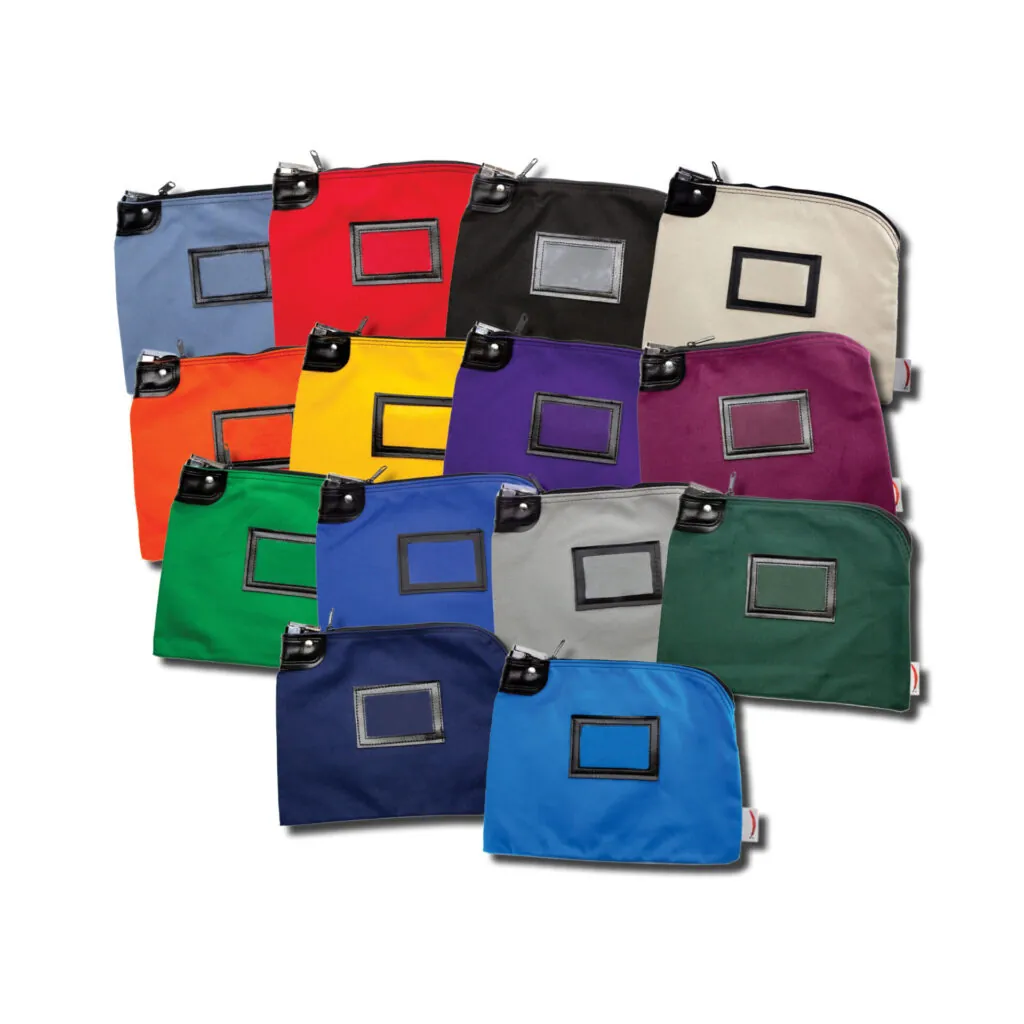
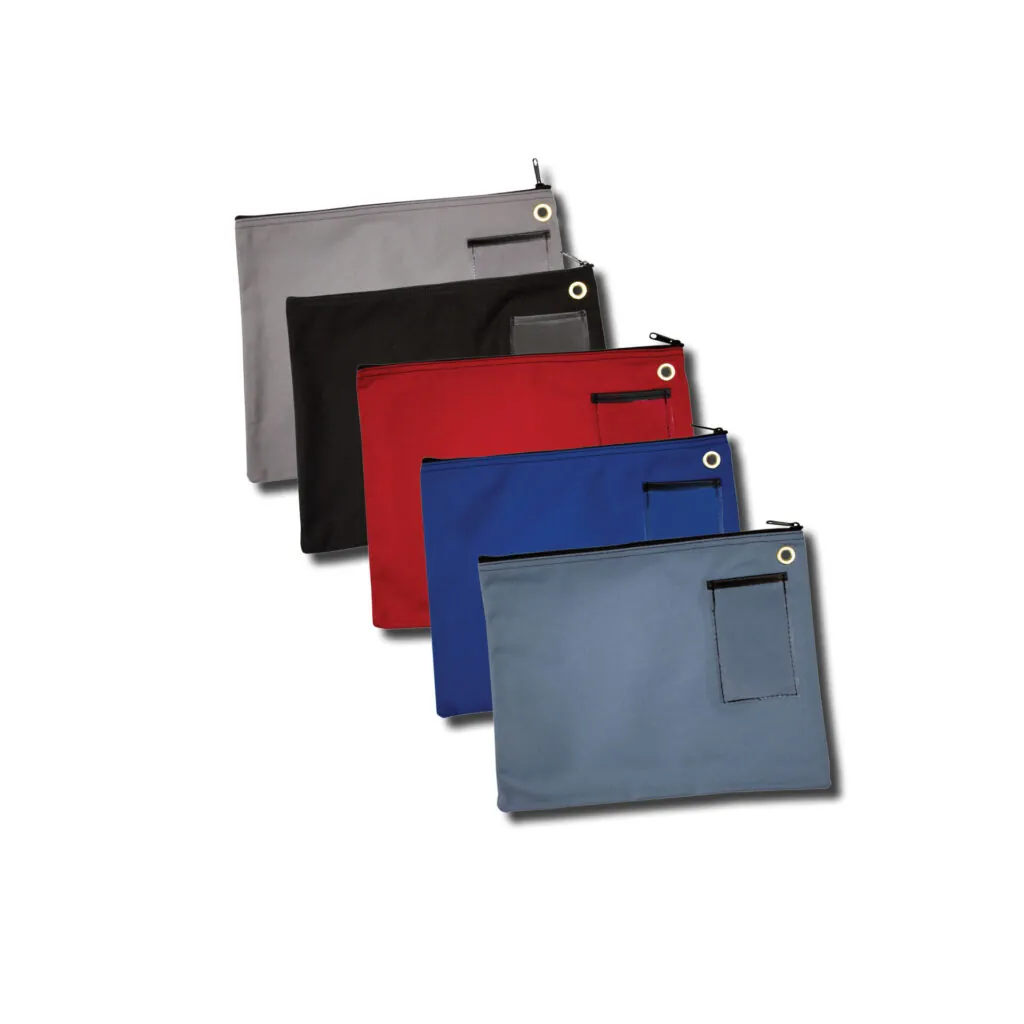
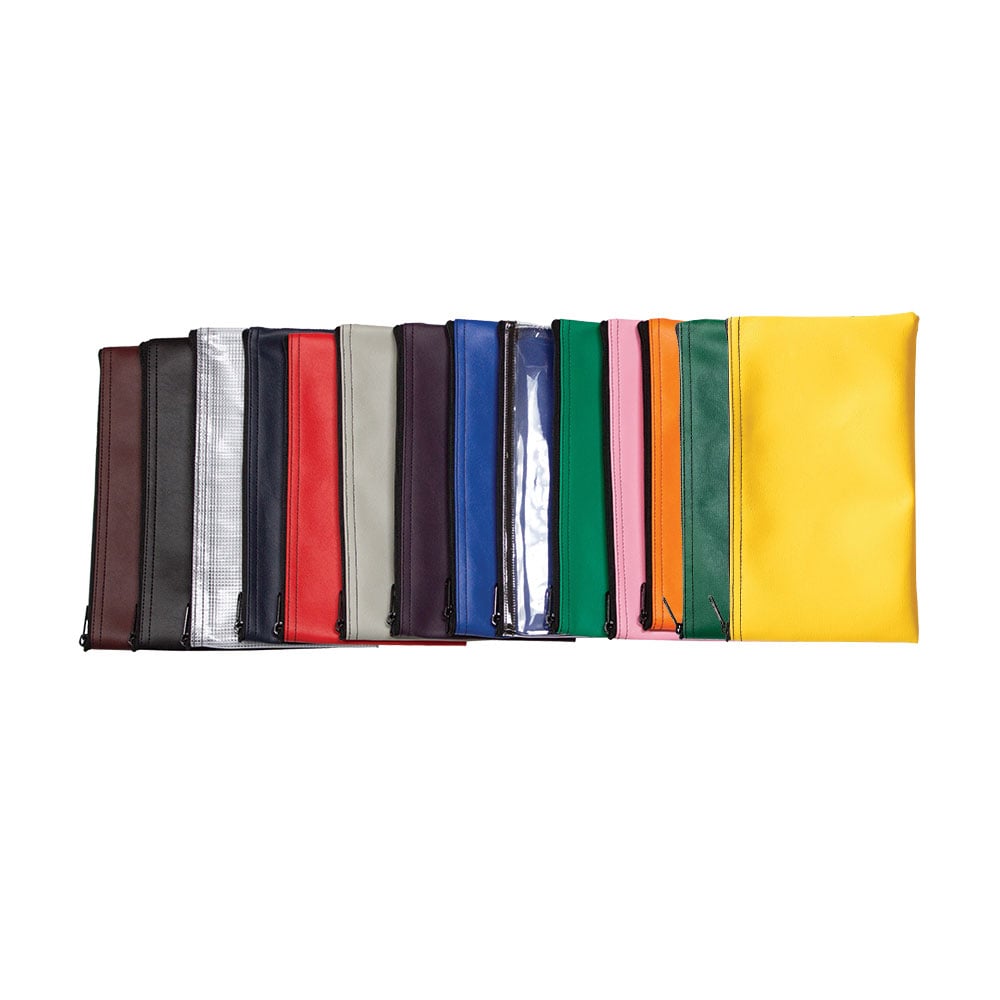
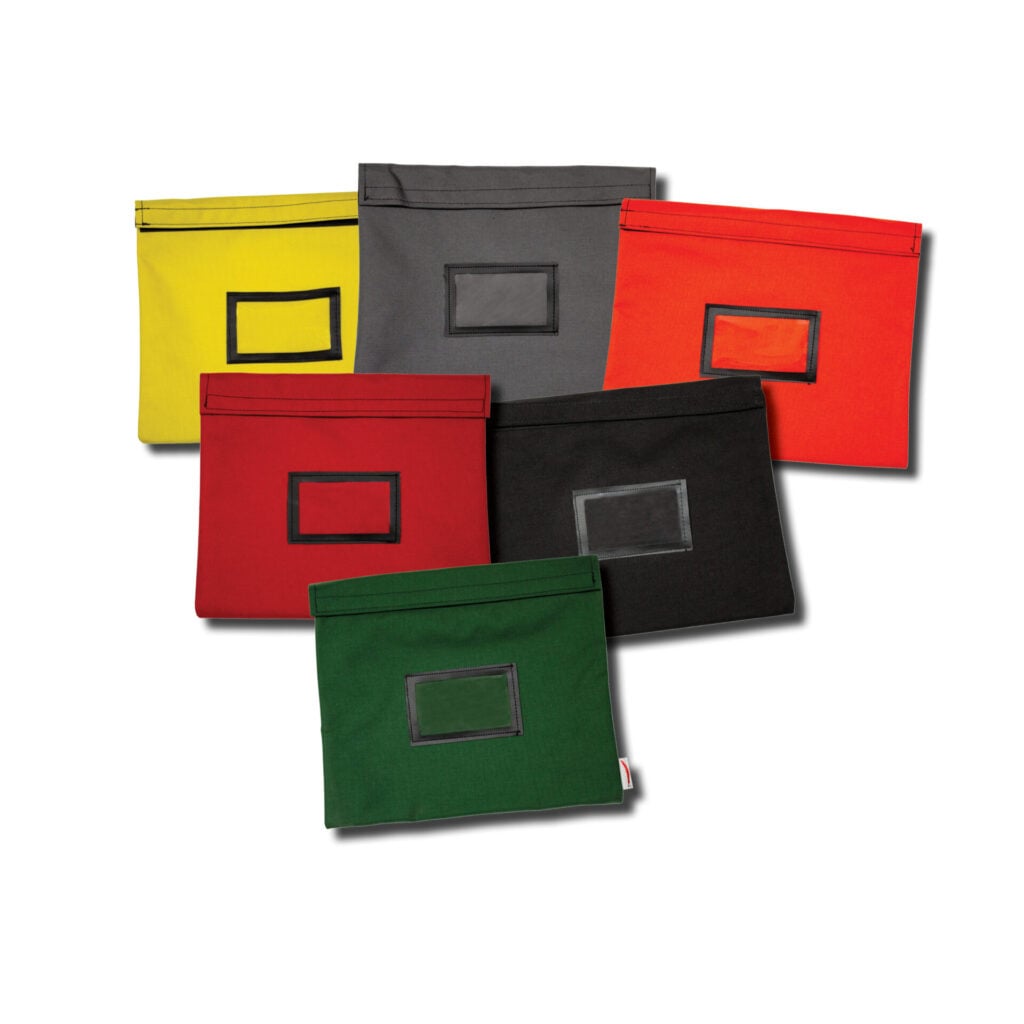
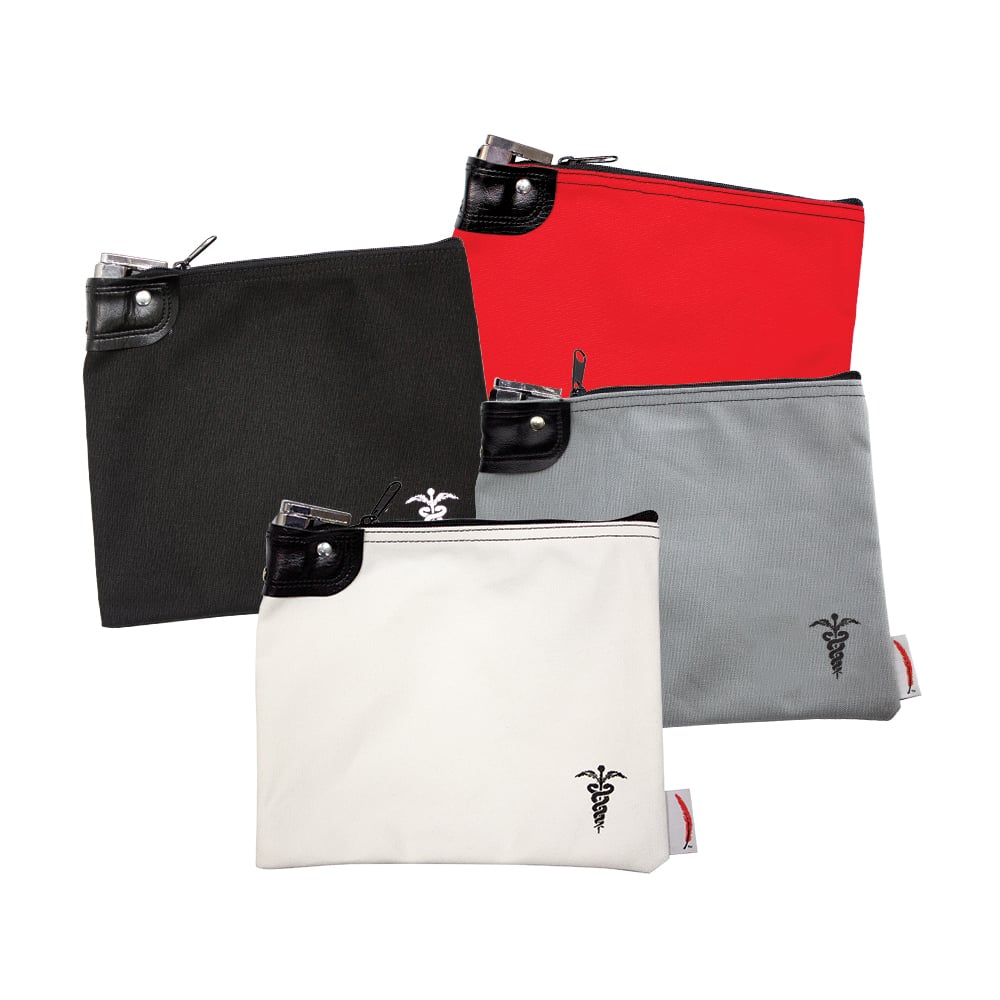
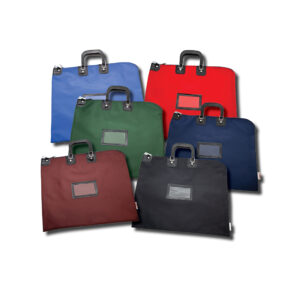
Cardinal Bag Supplies builds its HIPAA Compliant Bag from a three ply, 70 denier nylon shell coated in poly vinyl and backed with cotton twill. The coating repels water, the twill backing adds tear resistance, and the bag closes with a tamper evident pop up lock available in several configurations, from a simple keyed lock to a combination lock with a master key option for supervisors. None of that matters if the bag stays on a shelf. What matters is what happens during the parts of the day a filing cabinet can’t reach.
A few examples worth naming directly. Moving patient records between locations or to offsite storage, where a torn envelope or an unlocked tote is exactly the kind of gap an OCR investigation looks for. Securing controlled substances and dispensing logs in transit, since pharmacy theft and diversion cases are a common trigger for a HIPAA complaint. Transporting lab specimens and samples between a clinic and a testing facility, where HIPAA and OSHA requirements overlap.
What this actually costs against what a violation costs
OCR’s civil penalty tiers are adjusted every year for inflation, so any dollar figure printed on this page would likely be wrong within months. What stays constant is the structure. The lowest tier covers violations the organization could not reasonably have known about, and the highest tier, willful neglect that goes uncorrected, carries the steepest penalty OCR can assess per violation, per year. For the actual current numbers, HHS publishes the official penalty schedule and updates it annually, so that’s the page to check rather than relying on a number repeated secondhand. Whatever tier applies, equipping a clinic with proper locking bags tends to be a modest line item by comparison. Current bulk pricing for the HIPAA Compliant Bag is on the product page, where larger orders bring the per bag cost down further.
A more honest look at return on investment
It’s tempting to build a tidy return on investment table out of fine amounts and breach statistics, multiply a handful of bags against a hypothetical avoided cost, and land on an impressive sounding percentage. That kind of math looks rigorous, but it isn’t really verifiable, since no two HIPAA incidents cost the same and a locking bag is one safeguard among many, not a guarantee. What is well documented is that healthcare consistently has the highest average data breach cost of any industry tracked in IBM’s annual Cost of a Data Breach Report, a figure that shifts from year to year and is worth checking directly rather than citing an old number. Whatever that figure happens to be this year, a modest investment in proper transport and storage bags is a small fraction of it.
Return on Investment (ROI)

Scenario: Purchase of 50 Bags with a 10% Discount
Total Investment: $1,350
Potential Savings from Preventing One Breach: $10,200
ROI: (Savings – Investment) / Investment * 100%
ROI Calculation: ($10,200 – $1,350) / $1,350 * 100% = 655%
Long-Term Savings
Lifespan of Bags: Assuming each bag lasts 5 years with proper maintenance.
Annualized Cost for 50 Bags: $1,350 / 5 years = $270 per year
Comparative Cost Savings:
Avoidance of a Single Moderate Fine or Breach Each Year: $10,000 – $10,200
Annual Cost Savings: $10,200 – $270 = $9,930
The bottom line for healthcare security budgets
Where a clinic lands on lock type usually comes down to how many people need access. A solo courier run works fine with a standard keyed lock. A front desk that hands records to several staff members over the course of a day tends to do better with a keyed master option, so one administrator can open any bag without keeping track of a dozen separate keys. Either way, the bag is a small, fixable piece of a much larger compliance picture, and one of the easier ones to put in place this week rather than next quarter.